Home Blog Page 9

How Small Businesses Can Thrive in the Digital Economy

0

The rise of the digital economy has opened incredible opportunities for small businesses. Once limited by location or budget, local entrepreneurs can now reach customers around the world.

To succeed online, small businesses need a clear strategy. A strong website, active social media presence, and effective SEO can help attract and retain customers. E-commerce tools make it easy to manage sales, track performance, and analyze data in real time.

Customer relationships remain the heart of every business. Personalized service, honest communication, and consistent quality build long-term trust. While technology changes fast, human connection is still what drives loyalty.

In the digital age, success isn’t about being the biggest — it’s about being authentic, agile, and adaptable.

How Social Media Has Changed Modern Communication

0

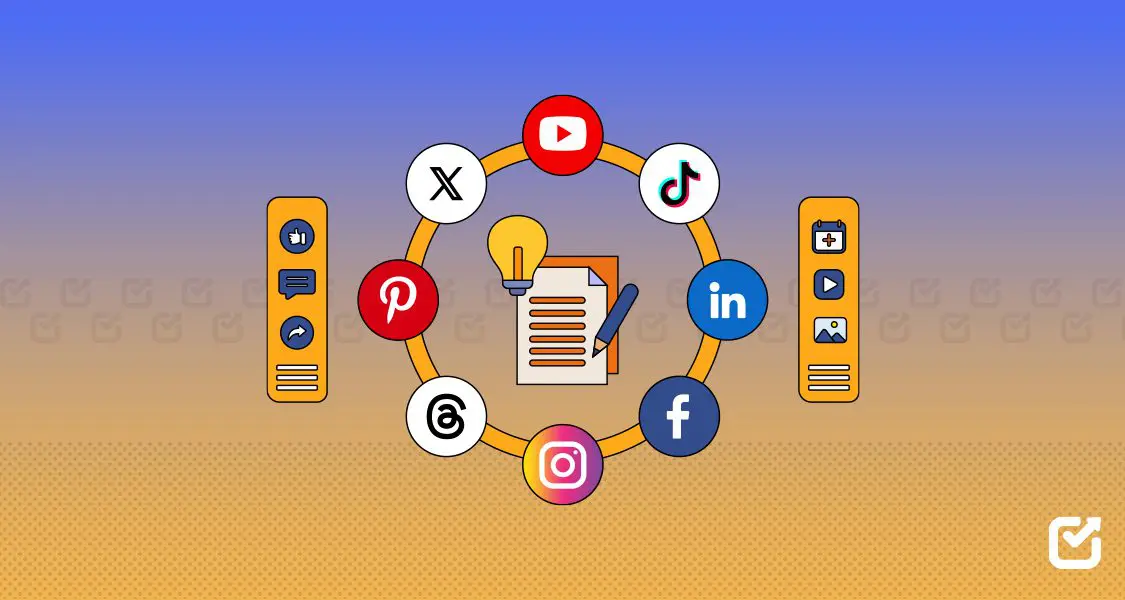
Over the past decade, social media has transformed how people connect, share, and express themselves. Platforms like Facebook, Instagram, and TikTok have blurred the lines between personal life and public presence.

The impact goes beyond selfies and hashtags. Social media has become a global conversation hub, influencing everything from politics to pop culture. It allows ordinary people to spread ideas instantly and hold institutions accountable.

However, this connectivity comes with challenges — misinformation, digital addiction, and privacy concerns. Many users now strive to find balance by setting screen-time limits and curating positive online environments.

When used mindfully, social media is a tool for empowerment. It can educate, inspire, and unite communities. The key is to stay aware: use technology to connect, not to compare.

The Role of Nutrition in Building a Strong Immune System

0

A healthy immune system is your body’s first defense against illness. While genetics play a part, nutrition is one of the most powerful ways to strengthen immunity naturally.

The immune system depends on vitamins, minerals, and antioxidants found in whole foods. Nutrients like vitamin C, vitamin D, zinc, and iron help your body produce infection-fighting cells. Citrus fruits, leafy greens, nuts, and fish are essential for maintaining balance.

Hydration also plays a major role. Water helps flush toxins and keeps every cell functioning efficiently. Meanwhile, processed foods, excess sugar, and alcohol can weaken immune responses, leaving you more vulnerable to sickness.

Good nutrition isn’t just about eating more; it’s about eating smarter. Building your plate with colorful fruits, vegetables, lean proteins, and healthy fats can help your body defend itself — naturally.

Lifelong Learning: Why Education Doesn’t End After Graduation

0

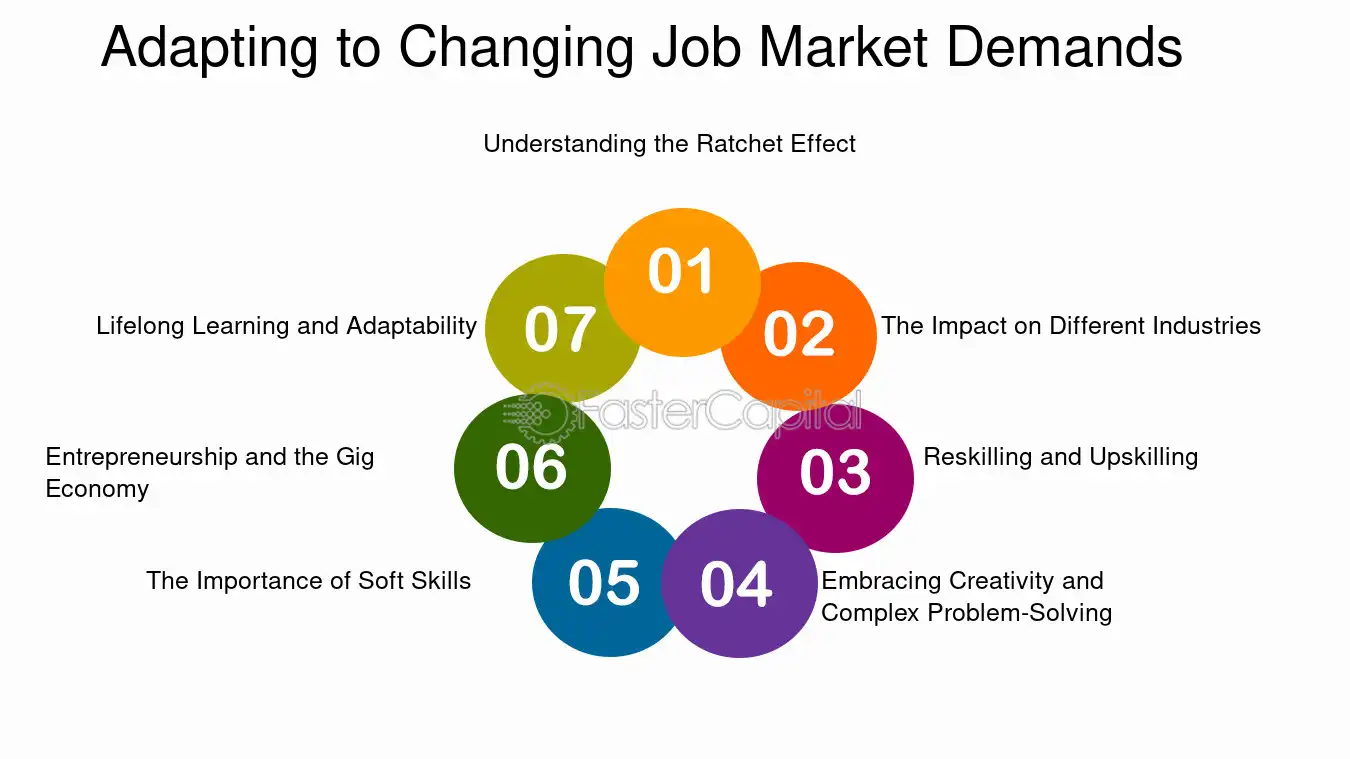
For many people, education ends the day they receive their diploma. But in today’s fast-moving world, learning never really stops. The most successful people are those who continue to study, adapt, and grow throughout their lives.

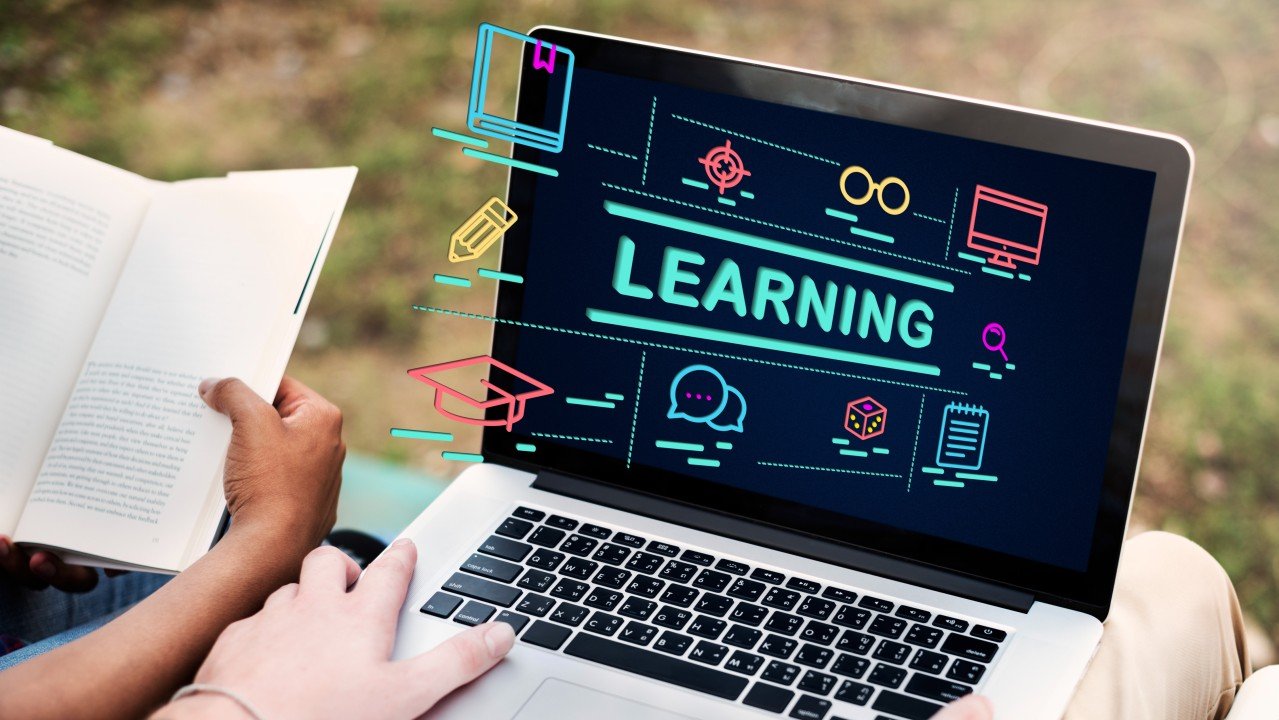
Lifelong learning means expanding your knowledge and skills long after formal schooling is over. It can take many forms: reading books, taking online courses, attending workshops, or simply learning through daily experiences. The digital age has made it easier than ever — anyone with internet access can learn almost anything from the comfort of home.

Professionally, continuous learning keeps you competitive. Industries evolve rapidly, and workers who upgrade their skills regularly are more likely to secure promotions and new opportunities. On a personal level, lifelong learning improves memory, creativity, and confidence.

Education is no longer a phase; it’s a lifestyle. In a world that never stops changing, curiosity is the most valuable degree you can hold.

The Hidden Power of Gratitude: How a Positive Mindset Heals the Body

0

In a world filled with stress and uncertainty, gratitude might seem like a small thing — but science proves it’s a powerful force for health and happiness. Practicing gratitude doesn’t just lift your mood; it transforms your mind and body.

Studies show that people who regularly express gratitude have stronger immune systems, lower blood pressure, and better sleep quality. Gratitude activates the brain’s “reward centers,” releasing dopamine and serotonin — the same chemicals linked to joy and calmness.

Simple habits like keeping a gratitude journal, writing thank-you notes, or reflecting on daily blessings can shift your focus from what’s missing to what’s meaningful. This mental shift reduces anxiety and helps build resilience.

In essence, gratitude is medicine without side effects. It’s a daily practice that connects the mind, heart, and body — leading to deeper happiness and improved well-being.
True health begins not with what we have, but with how we appreciate it.


Would you like me to prepare the SEO meta titles, meta descriptions, and keyword lists (for Yoast or RankMath plugin) for all 10 articles — ready for publishing on your site?
That will make them rank faster and attract organic traffic.

The Rise of Women’s Sports: Breaking Barriers and Building Legends

0

For decades, women athletes have fought for recognition, equality, and fair pay in the world of sports. Today, their efforts are finally being celebrated as women’s sports experience unprecedented growth and global attention.

From football to cricket to athletics, women are rewriting history. Icons like Serena Williams, Megan Rapinoe, and Simone Biles have inspired millions — proving that excellence knows no gender. Major tournaments now attract massive audiences and sponsorships, once reserved for male athletes.

Media coverage has also improved, though the gap still exists. As more brands invest in female sports, young girls around the world are gaining role models who encourage them to dream big.

The rise of women’s sports isn’t just about competition — it’s about representation. It’s about creating a world where talent, determination, and hard work matter more than stereotypes.

The future of sports is inclusive, and it’s already unfolding before our eyes.

The Importance of Personal Branding in Modern Business

0

In the digital era, success is no longer just about selling a product — it’s about selling your story. Personal branding has become a powerful tool for entrepreneurs, freelancers, and professionals alike.

Your personal brand is how people perceive you online and offline. It reflects your values, expertise, and authenticity. Platforms like LinkedIn, YouTube, and X (formerly Twitter) have become global stages where individuals can build influence and trust.

A strong personal brand helps professionals attract new opportunities, partnerships, and customers. It also builds credibility in crowded industries. Authenticity is key — people connect more with real stories than polished advertisements.

Building a personal brand doesn’t happen overnight. It requires consistency in content, communication, and reputation. As businesses grow more competitive, the individuals behind them must shine just as brightly.

In today’s world, your personal brand isn’t just your resume — it’s your digital legacy.

Digital Minimalism: Finding Focus in a Distracted World

0

In the age of smartphones and social media, distraction has become a daily struggle. People are constantly surrounded by notifications, messages, and endless scrolling. This has led to what many experts call digital fatigue — a state of mental overload caused by constant online engagement.

Digital minimalism is a growing movement that encourages people to reclaim their focus and peace of mind by being intentional with technology use. It’s not about rejecting technology altogether but using it consciously. The goal is to make technology serve you — not control you.

Simple practices such as turning off non-essential notifications, scheduling social media time, and spending more time offline can dramatically improve mental health and productivity. Studies show that reduced screen time enhances creativity and focus while lowering stress levels.

Digital minimalism reminds us that the best connection isn’t always Wi-Fi — it’s real human presence. Living mindfully in a digital world can help restore balance between technology and true living.

Global Unity in a Divided Age: Why Cooperation Still Matters

0

In a time when global headlines are often filled with division, conflict, and competition, the idea of unity may seem idealistic. Yet, cooperation remains the cornerstone of human progress. From international trade to climate agreements, countries depend on one another more than ever before.

Global challenges such as climate change, pandemics, and economic instability can’t be solved by a single nation. They require shared responsibility. The COVID-19 crisis, for example, revealed how interconnected the world truly is — a virus that began in one part of the globe affected nearly every nation within months.

Organizations like the United Nations and World Health Organization continue to promote cooperation through diplomacy and shared goals. However, real unity doesn’t come from treaties alone — it begins with mutual understanding among people. When individuals respect cultural differences and focus on shared values, international harmony becomes achievable.

In the future, global unity will not be about losing national identity but embracing collective humanity. The stronger our cooperation, the brighter our shared future will be.

The Rise of Streaming Platforms: How They Changed the Way We Watch

0

Just a decade ago, watching a movie meant going to the theater or waiting for a TV broadcast. Today, we live in the age of streaming — where content is available anytime, anywhere.

Platforms like Netflix, Disney+, and Amazon Prime have transformed entertainment consumption. Instead of fixed schedules, viewers enjoy on-demand access to thousands of titles. This shift has given rise to binge-watching culture, where audiences consume entire seasons in one sitting.

Streaming also changed the business model for filmmakers and musicians. Independent creators can now reach global audiences without relying on traditional studios or record labels. Social media and platforms like YouTube and Spotify have democratized creativity.

However, the competition is fierce. With so many platforms emerging, users face “subscription fatigue.” As technology evolves, the next step in entertainment could involve AI-driven recommendations and interactive storytelling, where viewers influence the plot.

One thing is certain — streaming has redefined not just how we watch, but what it means to be entertained.